
The AI Training Gap Runs Along the Org Chart
New research shows senior leaders get AI training while entry-level workers mostly teach themselves. Closing the AI training gap is a leadership design choice about who gets to grow as work changes.
New research shows senior leaders get AI training while entry-level workers mostly teach themselves. Closing the AI training gap is a leadership design choice about who gets to grow as work changes.
Corporate jargon isn’t really a Gen Z vocabulary gap. It hides expectations no one defined. Leaders fix it by spelling out what words commit people to: a time, an owner, a next step.
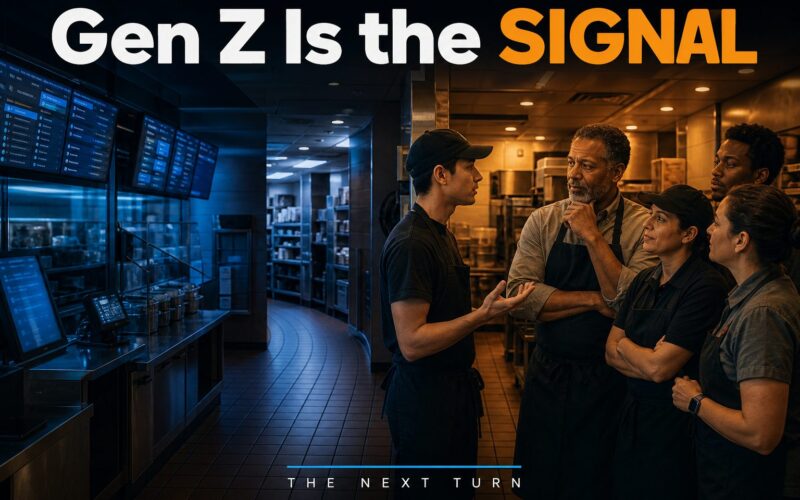
Gen Z isn’t necessarily less engaged; many are just less willing to hide it. Leaders who treat their questions as signals, and separate standards from signals, get clearer, better work.

Gen Z career ambition hasn’t disappeared. Many young workers are redefining what work is for, and leaders who want to keep them need to make the exchange and the path visible.
The viral iced coffee debate shows how hiring runs on signals. Leaders who name the standards they actually hire for make Gen Z job interviews fairer and more useful.

Work-life balance isn’t a test of commitment. It’s a definition of work. Leaders can keep their own while making the team’s standards explicit.

Presence in the office was always a signal, not the standard. Leaders get further by defining and rewarding the work it stood in for, like helping colleagues, wherever people sit.

Gen Z retention is decided less in the pay conversation than in the unspoken rules of work. Leaders keep people by defining deadlines, communication norms, growth and AI expectations explicitly.