 Jeff Utecht
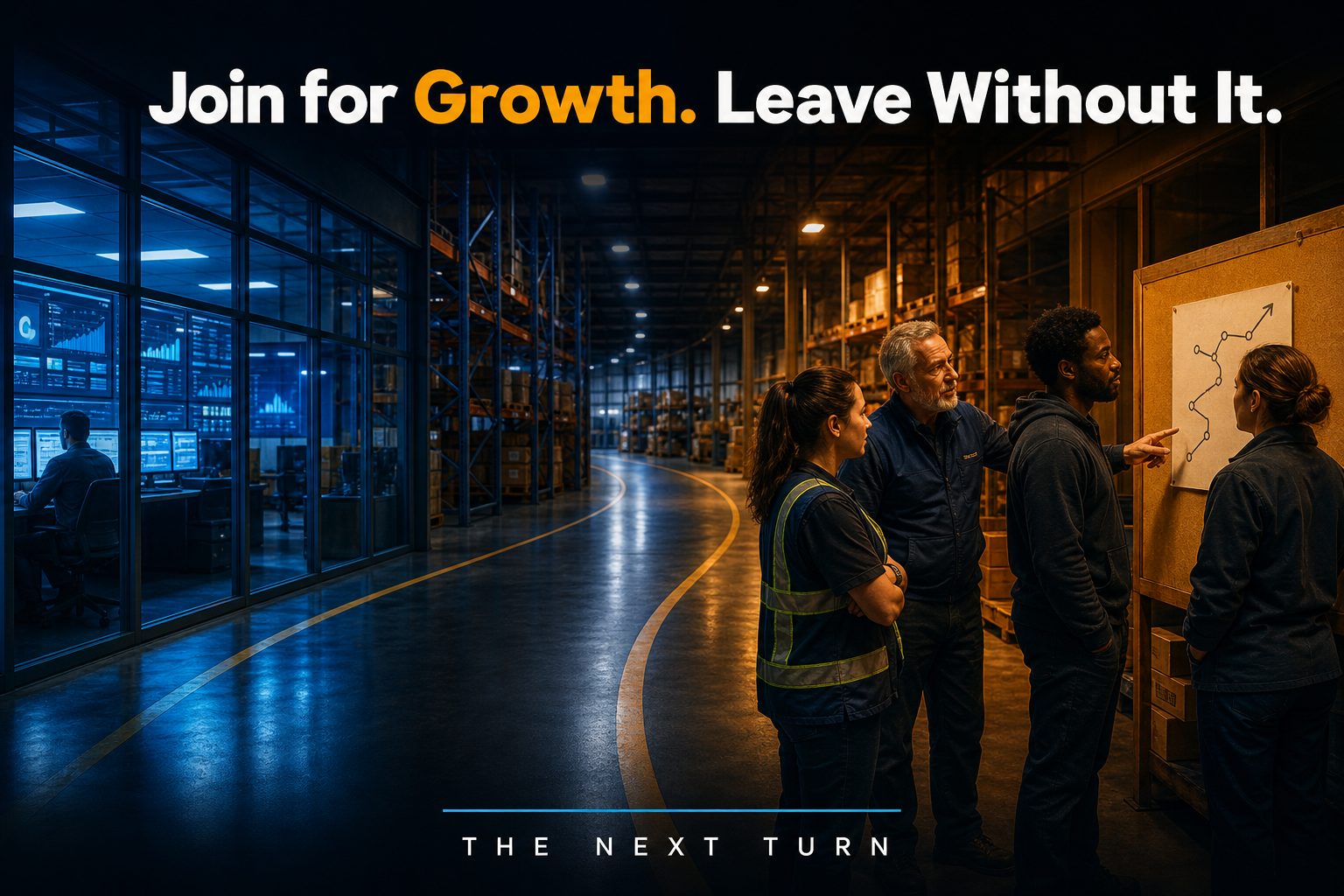
Most organizations treat hiring and retention as two different problems, owned by two different teams. New research says they are the same problem. When it comes to career development and retention, the reason people say yes to a job is the same reason they eventually walk away from it.
That is not a recruiting insight. It is a design insight. And it lands at a moment when a lot of people may be quietly deciding whether to stay.
Key takeaways
- McLean & Company’s 2026 benchmark reports find career opportunity is the top reason people apply for and accept jobs, and limited career development is the top job-related reason they leave.
- Indeed and Glassdoor expect the low-hire, low-fire holding pattern to end in 2027, and warn that unhappy employees who stayed put may be the first to leave.
- Career growth is not a perk added to the job. It is the core of the value exchange, and it is either visible or it is not.
- Retention is a design problem, not a motivation problem. Leaders can make the growth path explicit before the market makes leaving easy.
What’s happening
On November 20, HR Dive reported on new hiring and exit benchmark reports from McLean & Company, an HR research and advisory firm. The numbers are blunt. In McLean’s New Hire Survey, 52.5% of respondents said career opportunities were the top reason they applied for a role, and 48.3% said career opportunities were the main reason they accepted the offer. In McLean’s Exit Survey Benchmark Report, 43.4% of people who left cited limited career development opportunities, the top job-related reason for voluntary turnover. McLean says those positions have held steady since 2023.
There is a second detail worth noticing. The hiring experience itself scored highest among the areas McLean measured, at 94.4% positive. Performance expectations scored lowest, at 86.3%. People feel good on the way in. They are less clear about what is expected once they arrive.
Laura Hansen-Kohls, a senior vice president at McLean, put it this way: “A positive hiring experience can create momentum,” but “it doesn’t prove that employees will continue to see a future with the organization.” Her advice is to read new-hire and exit feedback together, because “if the reason people join is the same reason people leave, that’s a signal worth paying attention to.”
Two days earlier, on November 18, Indeed Hiring Lab and Glassdoor Economic Research released their 2027 U.S. Hiring and Worklife Trends Report. Their headline is that the labor market’s “low-hire, low-fire holding pattern” is likely to end in 2027, and that “workers are increasingly dissatisfied with their career opportunities.” One line stood out to me: “The unhappy employee who stayed put in 2026 may be the first to leave in 2027.” The report also notes that senior-level postings are up 19% since January 2025 while entry-level postings have fallen, and it recommends employers keep the bottom rung of the career ladder open and pair early-career hires with mentors.
HR Dive’s coverage of the Indeed and Glassdoor report on November 19 adds the pressure gauge. The share of Glassdoor reviewers dissatisfied with their career opportunities reached 21% in September, up from 17% in April 2022. Yet quits are running about 349,000 a month below what that level of dissatisfaction would predict. In plain terms, many people who are unhappy about their growth have not left yet. The market has been holding them in place.
Why career development and retention are one leadership question
Put those two stories side by side and a pattern shows up. People join for growth. People leave without it. And right now, a lot of people are staying without it because leaving has been hard.
That is not loyalty. It is waiting.
In Chapter 5 of The Next Turn, “The Value Exchange (The 3-Year Problem),” I describe how the order of commitment has flipped:
In an older system, loyalty was often given first and tested later. In the current one, value is assessed first and loyalty is built only if the exchange proves itself over time.
The Next Turn
The McLean data reads like a measurement of that exchange. Career opportunity is what people are assessing when they say yes. It is also what they are still assessing a year or two later. If the growth that was implied at the offer never becomes visible in the work, the exchange stops making sense, and people act on that conclusion when they can.
This is why I argue in Chapter 5 that retention is a design problem, not a motivation problem. A team can have engaged, capable people and still lose them, because the role was never designed to show them where it leads. And to be clear, this is not a Gen Z issue. McLean’s findings describe employees broadly. Growth is a workforce requirement, not a generational preference.
It also connects to the definition of work, which is the first of the two turns I describe in the book. By the definition of work, I mean what people believe work is for and what it should give back. For many people today, a job is expected to build something: skills, options, a next step. When that is part of someone’s definition of work, a stalled path is not a minor frustration. It is a broken promise.
Chapter 11, “Where It Breaks,” names hiring and retention as two of the four pressure points where the collision shows up first. I wrote that these pressure points “are the points where the double transition becomes operational.” This research shows exactly how. A strong hiring experience creates an expectation. Unclear performance expectations and invisible career paths fail to meet it. The break is not at the exit interview. It happens months earlier, in the gap between what the role implied and what the role delivered.
The structure of work, the second turn, makes that gap wider. By the structure of work, I mean how tasks actually flow, and AI is changing that quickly. The Indeed and Glassdoor finding that senior postings are rising while entry-level postings fall is one signal of it. When the bottom rung moves higher, the old assumption that growth will simply happen with time becomes less reliable. If the path is not designed, it may not exist.
So the standard has not changed. Organizations still need people who grow into greater responsibility. What has changed is the signal. A job title and a vague promise of “opportunities to grow” used to be enough to signal a future. Now people want to see the path.
Your next turn
Here are five moves leaders and managers can make this week, before the market makes the decision for their people.
- Read your entry and exit data together. Pull the reasons people gave for accepting offers and the reasons people gave for leaving over the last two years. If the same words show up on both lists, you have found your exchange, and where it is breaking.
- Audit the exchange in one role. Pick a role with turnover. Ask: What growth is visible in the first year? The first three years? What is clear, and what is vague? Write the answers down. If you struggle to answer, so does the person in the role.
- Close the performance expectations gap. McLean found performance expectations scored lowest among new hires. In the first 90 days, define what good work looks like in that role, in operational terms, and how it connects to the next step.
- Ask the waiting question. In your next one-on-ones, ask: “What would make the next year here feel like progress for you?” Then listen for the person who is staying but not growing. That is the person the Indeed and Glassdoor report is describing.
- Protect the first rung. If AI is absorbing entry-level tasks, decide on purpose how early-career people will still build judgment and experience, and who will mentor them. Do not let the ladder disappear by default.
If you want more on how the value exchange shows up in hiring and retention, you can browse other posts on the Next Turn blog.
Frequently asked questions
Why is career development the top reason employees leave?
In McLean & Company’s 2026 Exit Survey Benchmark Report, 43.4% of departing employees cited limited career development opportunities, the top job-related reason for voluntary turnover. People often accept a role because of the growth it seems to offer. When that growth does not become visible, the value exchange stops making sense.
How can managers improve retention without big budget increases?
Start with clarity. Define what good performance looks like early, make the path from this role to the next one explicit, and check in regularly about whether the work still feels like progress. Many retention problems are design problems: the growth exists, but no one has made it visible.
Will employee turnover rise in 2027?
Indeed and Glassdoor’s 2027 U.S. Hiring and Worklife Trends Report expects the low-hire, low-fire holding pattern to end in 2027 and warns that unhappy employees who stayed put may be the first to leave. Forecasts can change, but rising dissatisfaction with career opportunities is a signal leaders should take seriously now.
The question underneath
For years, a slow market has made some retention numbers look better than the experience behind them. People stayed. That does not mean the exchange was working.
The organizations that keep their people in 2027 will not be the ones that ask for more loyalty. They will be the ones that made the growth visible before anyone had to ask.
So here is the question I would sit with: If the market opened up tomorrow, would your people be able to describe where their job is taking them?
Sources
- Career development is the top reason people apply for and leave jobs, HR Dive, November 20, 2026
- Indeed & Glassdoor’s 2027 U.S. Hiring and Worklife Trends Report, Indeed Hiring Lab and Glassdoor Economic Research, November 18, 2026
- Employers should prepare for a labor market shake-up in 2027, Indeed and Glassdoor say, HR Dive, November 19, 2026
